
What yin yoga is
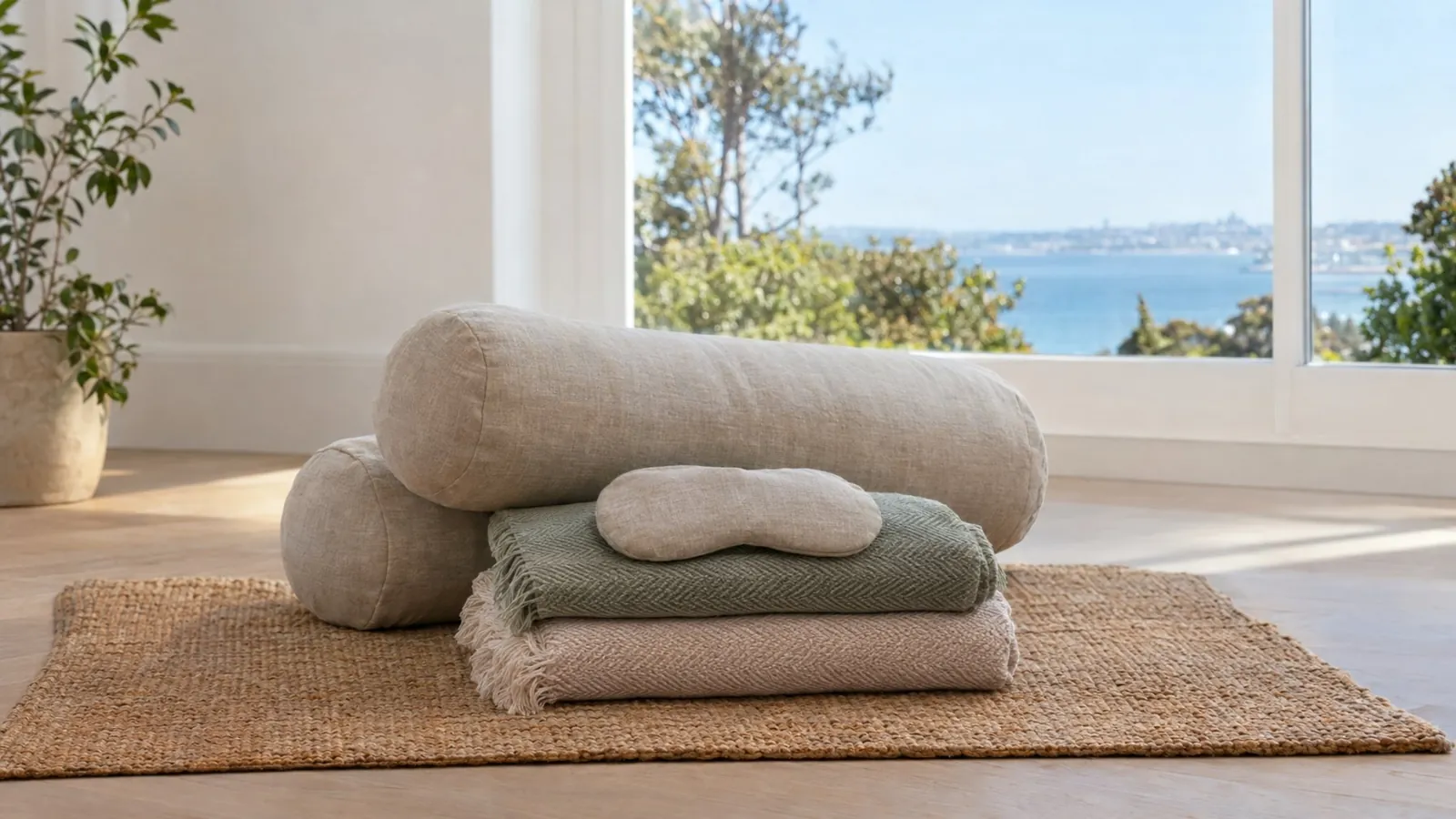
A yin class uses a handful of seated and lying postures and holds each for several minutes. The teacher guides you into each one, then the room goes quiet. Props such as bolsters, blocks and blankets let you rest into the posture rather than hold it up. You will move very little, so bring a layer to stay warm.
Restorative classes
Restorative classes go further: almost every posture is fully supported by props, so you lie or sit in it with little effort. A class may have only a few postures in an hour. Studios often run both styles in the evening and at weekends. Some studios teach one style but not the other, so say which you want.
Finding a quiet class
Slow classes need a quiet room, so they are usually indoors, in a studio or a hired hall, and community centres and libraries in many suburbs hire out rooms for them. If you are new to yoga, a yin class is a reasonable start, but say so when you send a request so the studio can suggest the right class.
Yin and Restorative Yoga Classes: questions
What is the difference between yin and restorative?
Both are slow. In yin you hold postures for minutes with some stretch; in restorative the props support you fully, with very little effort.
Do I need any equipment?
The studio usually provides bolsters, blocks and blankets. Ask when it gets in touch, and bring warm clothes.
Can I do yin if I have an injury?
Ask your doctor or physiotherapist first and tell the teacher before the class. We do not give health advice.